

In this newsletter
This week’s developments

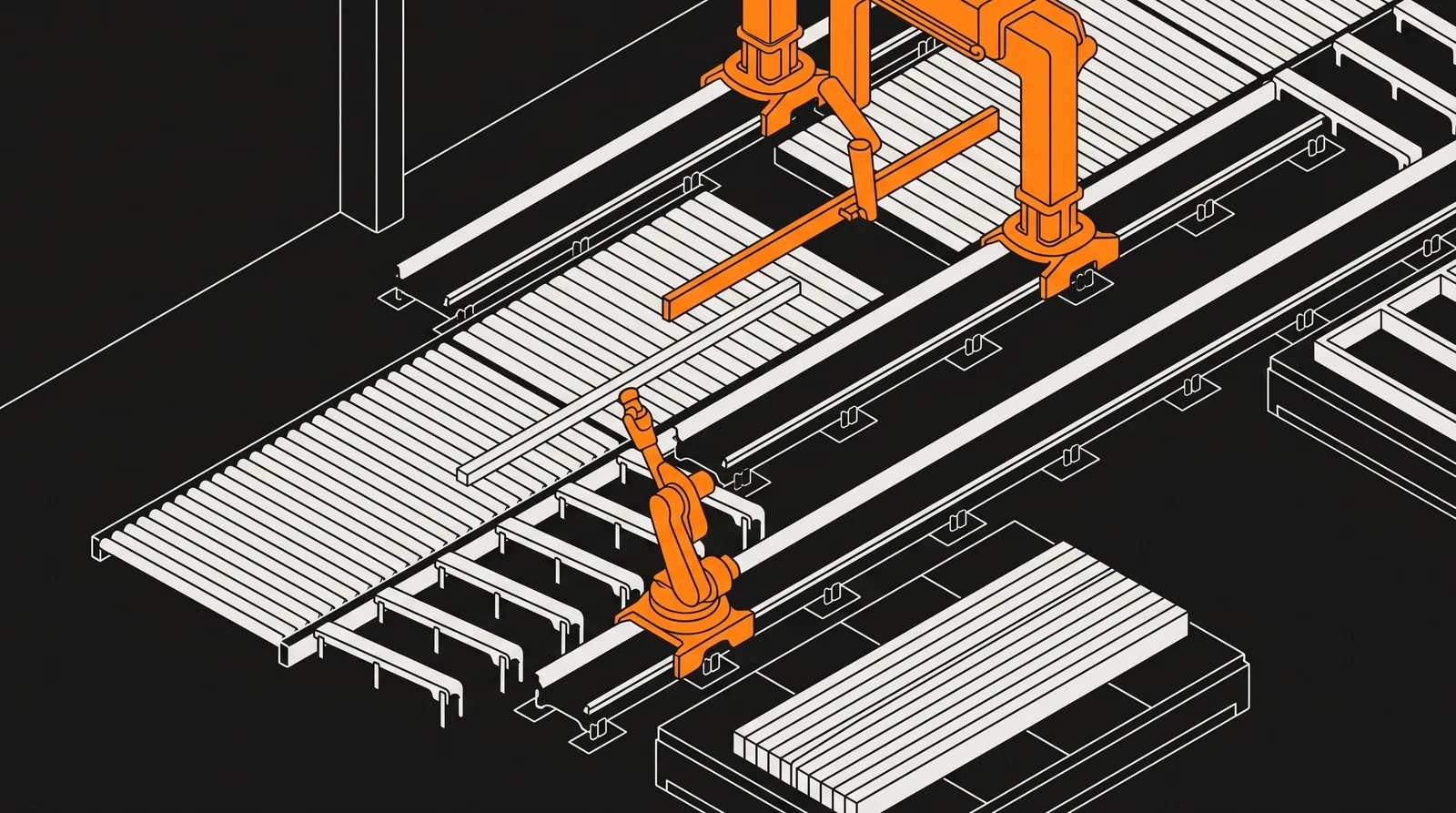
⚙️ The first AI-native steel factory goes live
In summary: 1872, an AI-native steel fabrication factory in Cincinnati, is building a operating system capable of ingesting CAD files, automatically create fabrication drawings and schedules, and manufacture steelwork autonomously and consistently, learning from its own mistakes as it goes.
The details:
The factory pairs 1872's software with welding robots from Ohio's Path Robotics to plan and run jobs with minimal human input
1872 is targeting steel skids for AI data centres and small modular nuclear reactors as it aims for full autonomy by 2027
The ambition is that a new design could enter the factory, the system could determine how to manufacture it, configure the equipment, and execute the job
Why it matters: This concept can be applied to most components in a building (windows, doors, facade panels, handrails, etc). Contractors could get feedback at tender stage. Engineers & Architects could get immediate feedback when designing.
AEC's likely new hire: AI Fabrication Reliability Engineer

🧠 A start-up's new AI model could rewrite how robots learn
In summary: ‘Y Combinator’ backed ‘Moving Atoms’ just revealed Atom 1, an AI ‘world model’ trained on internet-scale video that can predict physical interactions to train robots
The details:
This model is fundamentally different from current simulators to train robots, where engineers explicitly program the physics. In Atom 1, AI infers physical behaviour from data
That approach demands huge volumes of footage showing real physical actions and their measurable consequences to train on
Atom 1 is already beating NVIDIA's Cosmos 3 on DeepMind's Physics IQ benchmark
Why it matters: Construction has an unusual source of well-structure data needed to train these models, meaning it can adopt them faster than other industries. For example: Excavators, pavers and other road equipment already log telemetry, operator inputs, machine responses, and video (in some cases) on every job. It’s not far fetched to think that building roads and infrastructure work, which is repetitive and heavily mechanised, could soon be assisted by autonomous heavy machinery
AEC's likely new hire: Equipment Manufacturers like Caterpillar, Volvo and Komatsu will need professionals negotiating how that data gets licensed to AI labs, the way automakers now negotiate driving-data deals

🚁 500 US cities and towns are about to get drone-ready
In summary: Amazon Prime Air plans to serve nearly 500 cities and towns by the end of 2026 using drones that can independently monitor airspace and make real-time safety decisions.
The details:
Amazon plans to deliver by drone groceries, electronics, cosmetics, medications, and household products, as fast as 30 minutes
Nearly all items 5 pounds or less that fit in a large shoebox can be delivered by drone, meaning more than 60% of the items customers are most frequently purchasing from Amazon are eligible
Drone delivery is integrated into the existing Amazon shopping experience: same app, same checkout, and same customer service
Why it matters: Delivery drones will reduce last-mile traffic in city streets. Apartment buildings would need somewhere to receive them: roof hatches, facade landing points, secure delivery zones bolted onto the side of an existing block. Curbside loading bays would matter less, which changes what the street outside can be - wider pavements, shared surfaces for pedestrians. Developers might eventually market buildings as “drone-ready” in the same way they now market EV charging infrastructure
AEC's likely new hire: UAS (Unmanned Aircraft System) Consultant - for logistics centres and residential buildings
🧬 How to set up Claude to write more naturally
In summary: Learn how to build a simple Claude writing setup that turns rough ideas into natural-sounding drafts with the help of wikipedia’s guidance.
The details:
Wikipedia has released a list of writing and formatting conventions typical of AI chatbots such as ChatGPT or Claude, with real examples taken from Wikipedia articles, drafts, comments, and other content.
This guidance can be used to have claude develop a skill we can re-use to write more naturally
Step by Step:
Familiarise yourself with Wikipedia’s Article: https://en.wikipedia.org/wiki/Wikipedia:Signs_of_AI_writing
Open a new chat in Claude. Using Claude Sonnet in Medium Effort is sufficient
Edit the following prompt to your liking, and paste it in the new chat:
Wikipedia has released the following guide: https://en.wikipedia.org/wiki/Wikipedia:Signs_of_AI_writing

I would like you to create a new skill called 'natural-writing' using wikipedia's guidance, with the aim to turn AI Generated text into natural human writing.

Pay particular attention to the 'language and grammar', 'style' and 'signs of human writing' sections
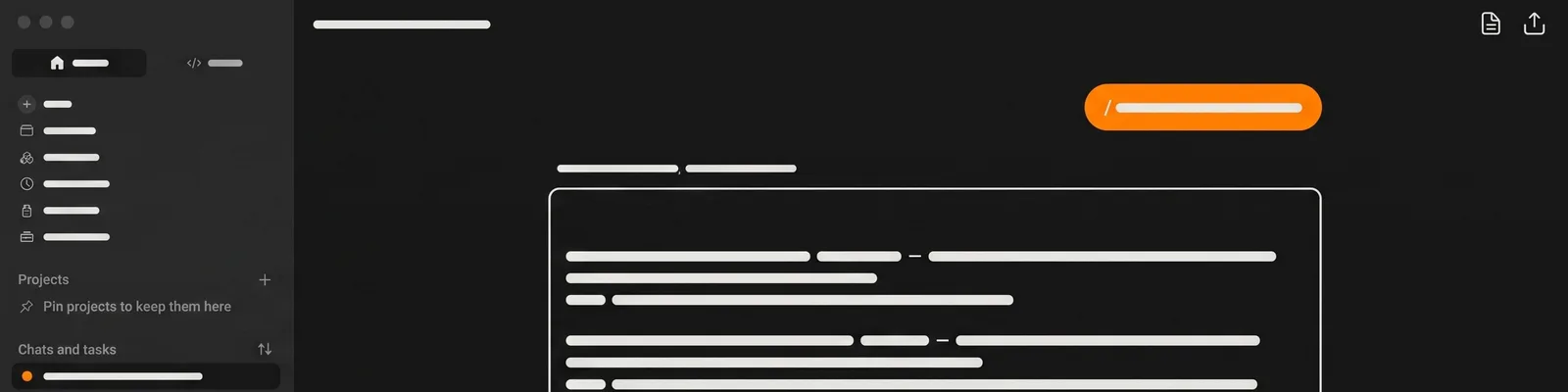
Claude will create a re-usable skill you can call in any chat in the future using the forward-slash command (/). e.g: /natural-writing
You can always ask claude to fine-tune the skill, or read and fine tune the results yourself going to Settings→ Customize → Skills
Trending AI Tools this week
ChatGPT for Teens (OpenAI) — under-18 experience with Study Mode, homework-shortcut detection and new parental controls
DeepSeek-V4-Flash-Vision-Exp (DeepSeek) — adds image input to V4-Flash, multimodal agent scores nearing Claude Opus 4.8
That’s it for today!
See you next week with more exciting updates,
Eduardo - The human behind AEC field notes